Brain Strain
Life’s demands can feel relentless – whether it’s juggling work deadlines, financial worries or running on little sleep. This wear and tear on your mental well-being is what we mean by ‘brain strain’.
Over time, these pressures can change how your brain works, affecting how you think, feel and respond to the world. When the load gets too heavy, your body steps in. Stress hormones are released, altering how brain cells communicate and disrupting the balance of chemicals that regulate your mood and emotions. Physical conditions like inflammation or high blood pressure can also impact brain function.
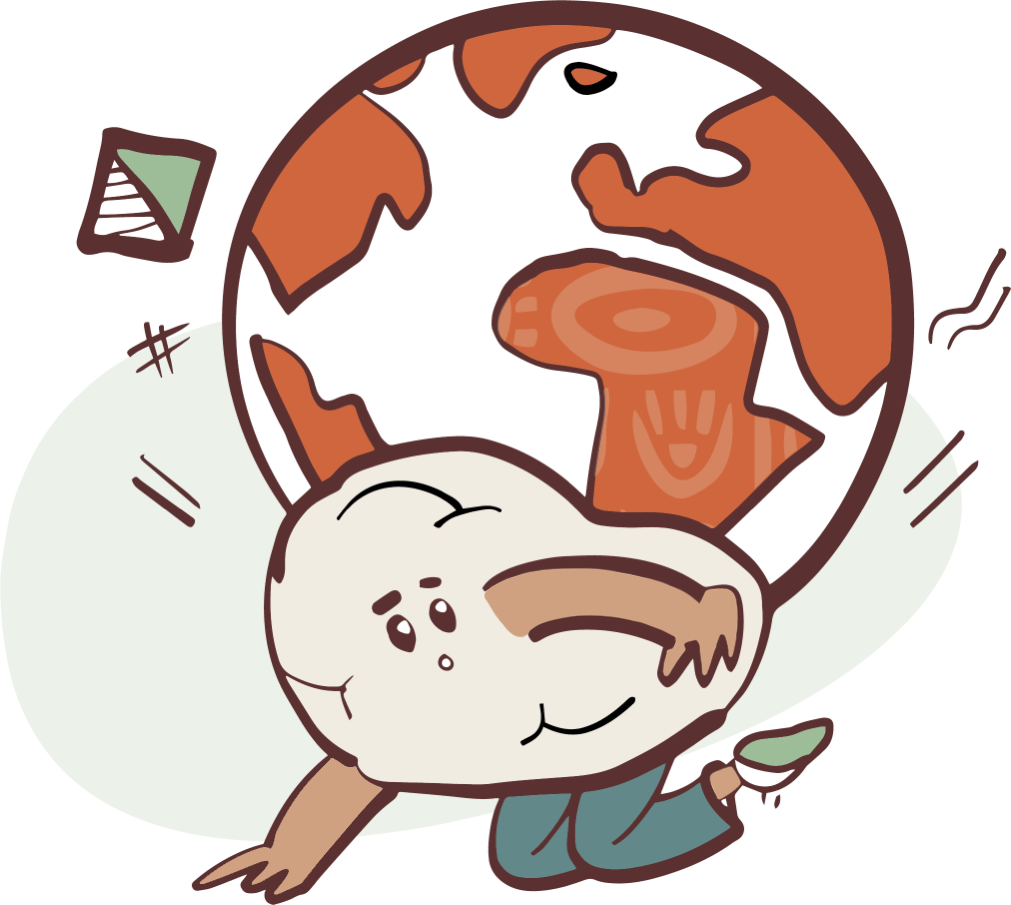
Why brain strain hits harder in some communities
Trauma, stress, Anxiety and depression are shaped by the world around you.
In Southern Africa, a mix of social, historical and economic pressures can make these challenges feel even heavier.


Economic strain
High unemployment and financial instability create constant stress.
Historical trauma
Generations of hardship and social inequality leave lasting impacts.
Safety concerns
Worrying about crime and personal safety can increase anxiety and stress levels.
Limited mental health support
Therapy and medication are often out of reach, particularly for rural communities.
Social Stigma
Cultural beliefs may discourage seeking help, leaving many to suffer in silence.