Trauma
When your world feels shaken.
Trauma isn’t just a bad experience – it’s when something happens that overwhelms your mind and body’s ability to cope. Without support, trauma can become a shadow that follows you, affecting your relationships, work and daily life. It can also become a legacy, passed down through families and communities. Understanding trauma is the first step towards reclaiming your sense of safety and control.
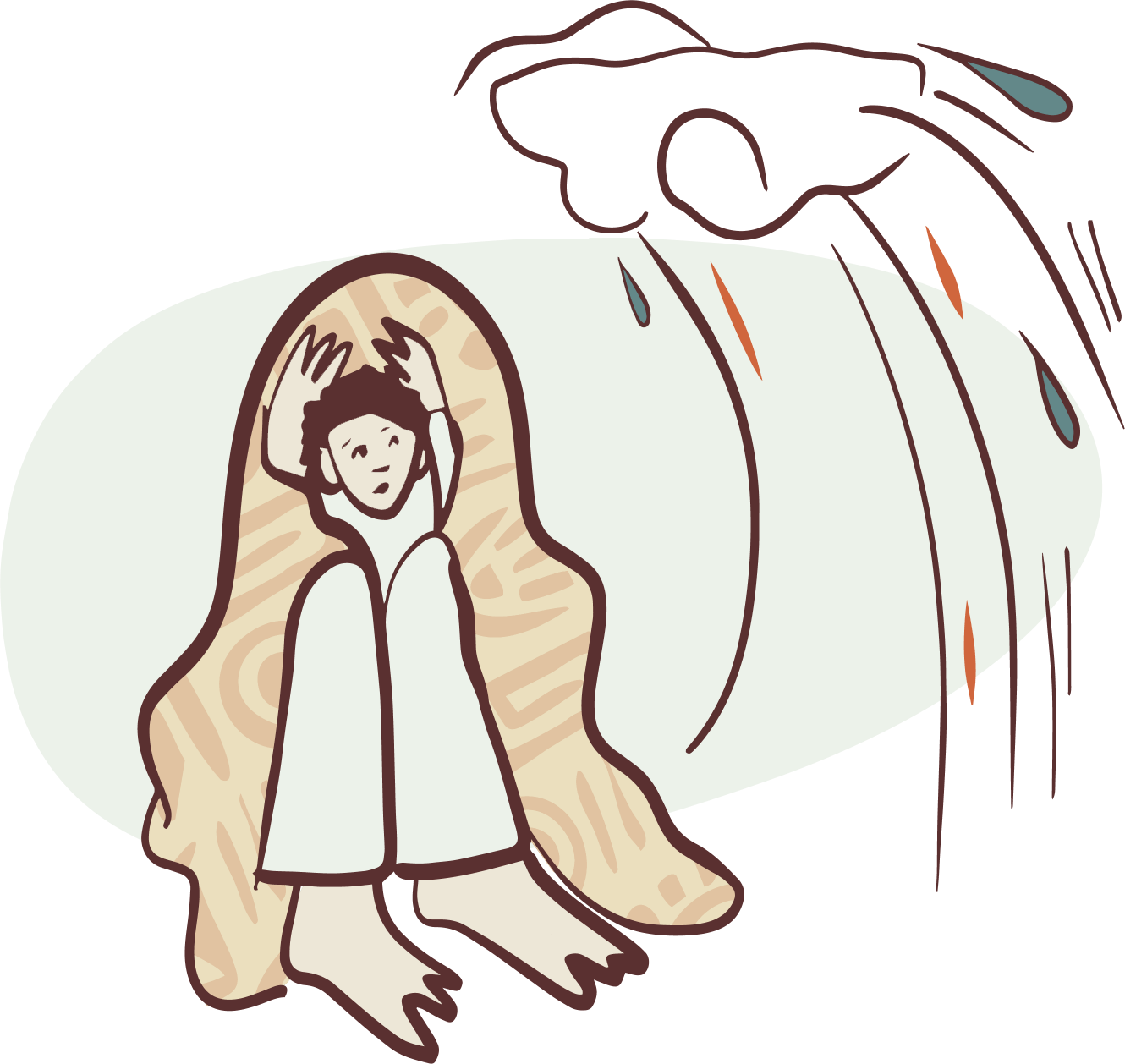
It feels like ...
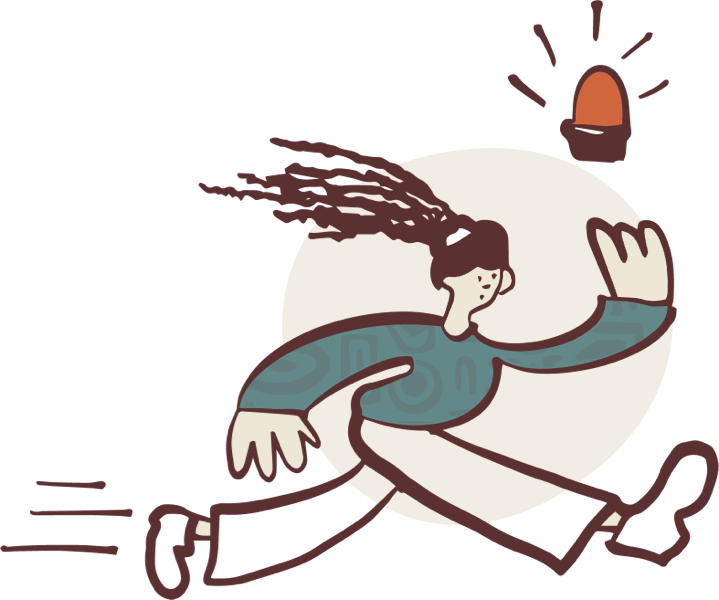
Like your nervous system is stuck on high alert.
The world feels dangerous, unpredictable.
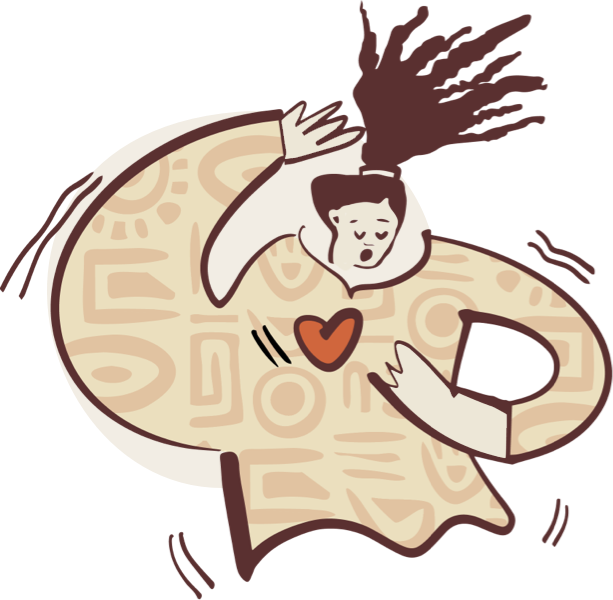
Simple things – like driving past the place where the trauma happened, hearing sudden noises, or being in crowds – can send your heart racing.
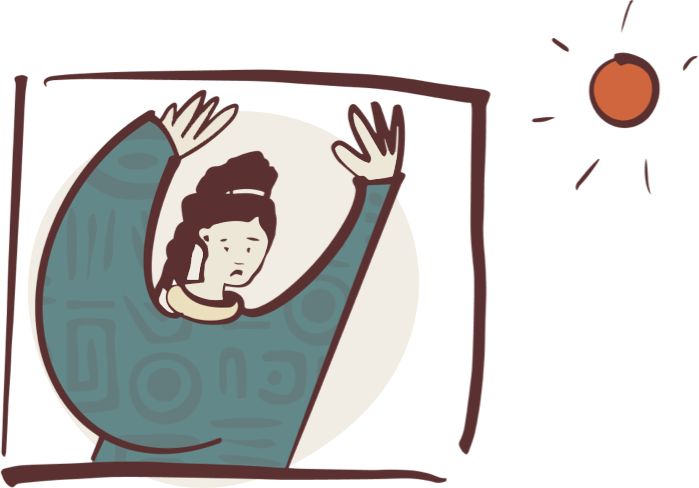
You might feel disconnected from loved ones, like you're watching life through a glass wall.
What's happening in your brain?
Fight-flight-freeze
Constant alertness, exhaustion
Your brain's alarm system stays activated, keeping you on edge and draining your energy.
Memory disruption
Flashbacks and gaps
Trauma can fragment memories, leading to sudden vivid flashbacks or difficulty remembering parts of the experience.
Nervous system
Physical reactions
Your body stays prepared for danger, causing jumpiness, sleep problems and physical tension.
Emotional regulation
Intense feelings
Normal emotions can feel overwhelming, leading to sudden and often unexplained anger, tears or emotional numbness.
Social impact
Isolation and mistrust
Trauma can shake your trust in others and the world, making it hard to maintain relationships.
Compound trauma

Hard to concentrate or plan for the future
Multiple traumatic experiences often stack up, making recovery more complex.
Here's what's crucial to understand: these reactions aren't signs of weakness – they're your mind and body's normal responses to abnormal situations. Your experiences are valid, your reactions make sense, and most importantly, healing is possible.


Quick self-check
Life throws a lot at us, and sometimes it's hard to tell when we're carrying more than we should – especially because trauma responses can be different for everyone.
This check-in is here to help you understand if you might be dealing with trauma responses – and helps you recognise patterns in your daily life that might point to unprocessed trauma.
Take the self-assessment here

GET HELP
Reach out to a toll-free crisis helpline now for 24/7 support and understanding.
If you or a loved one is struggling with brain health challenges, you don't have to face it alone. SADAG Suicide Crisis Helpline
0800 567 567
