Helping others
When to intervene.
Knowing the warning signs of brain health challenges is like having a first aid kit – it helps you recognise when you or someone you know might need extra support.

What to look out for

Sleep changes
Sleeping too much or too little
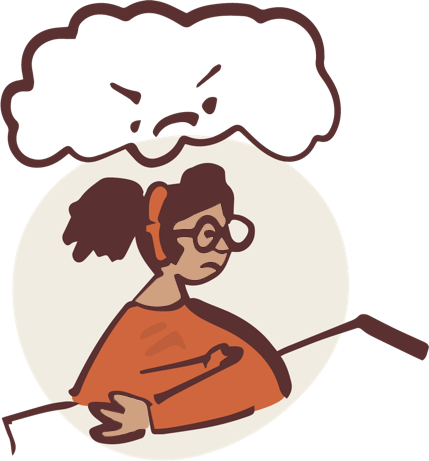
Mood changes
Sudden shifts in emotions
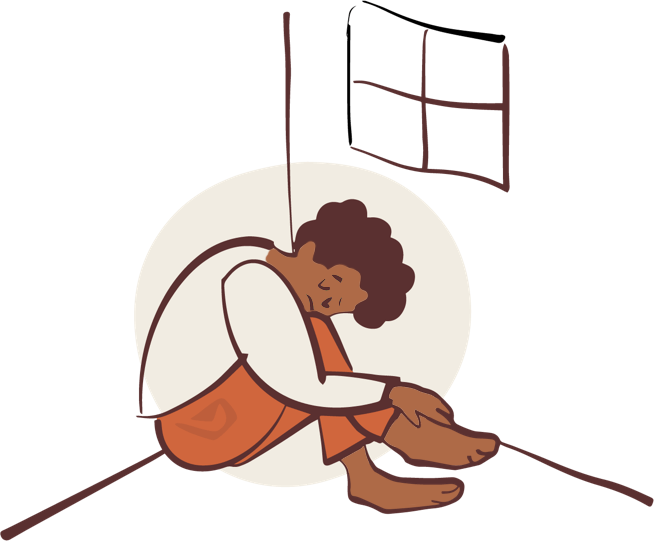
Isolation
Withdrawing from friends and family

Eating changes
Eating much more or less than usual
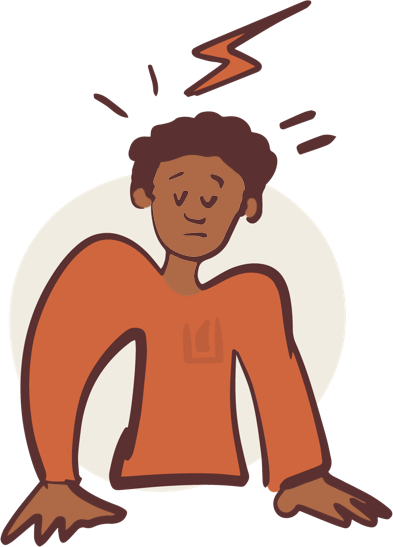
Physical signs
Headaches, tension, unexplained pain
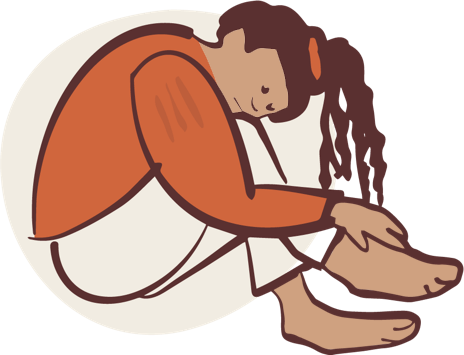
Lost interest
No joy in usual activities
If you notice these signs in yourself or someone else, reach out for help. If you feel your loved one is at risk of hurting themselves or others, contact one of the crisis helplines.
Get help here.

Do
Genuinely show up
Be there for them, honestly and openly. Let them tell you what they need.
Really listen, without judgment
Be fully present, listen without interrupting - even gentle nods can be supportive.
Validate their feelings
Their feelings matter - ask open questions like "How have you been feeling lately?"
Check in regularly
Send a message or ask, "How are you holding up?" to show you're in this with them.
Offer specific and practical help
Try "I'll make you dinner on Monday?" or "When you're ready, we can look for support together."

Don't
Minimise their feelings
Let them know it's okay to share their feelings without fear of being judged.
Try to fix them or give unasked-for advice
Sometimes they just need to talk. Listen rather than immediately trying to fix their problems.
Force them to talk
Let them open up at their own pace and share their needs.
Make assumptions or compare feelings
Everyone's journey is different. Saying "I've been through worse" makes things worse, and belittles their feelings.
Be dismissive
Mental health isn't about willpower – don't say things like "It's not a big deal" or "Just get over it". Recovery takes time.
Remember it's about their journey, not yours.