Finding the right therapy
Your mental health coach.
Imagine your brain is like a well-worn walking trail. Over time, you created familiar ways of thinking and feeling, which may help or hinder. When you go to therapy, you’re not just talking or acting – you’re actually helping your brain grow in new, healthier ways. It’s like creating a new walking trail through a forest. At first, the path feels uncomfortable and unfamiliar. But with each session, it becomes clearer and easier to walk.
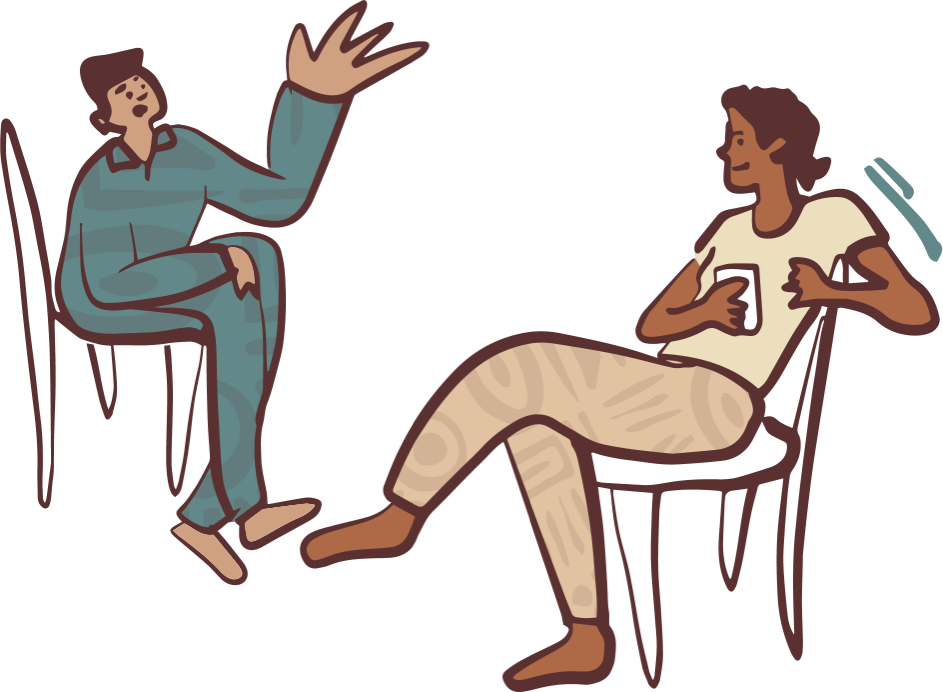
How does therapy help?
Building better brain paths
When you learn new ways to handle tough thoughts in therapy, you're actually creating new, healthier paths in your brain. Your 'thinking brain' gets stronger, just like making new trails through a forest – the more you use them, the clearer they become! Therapy helps you learn to take new, happier mental routes instead of getting stuck on old, worried paths.
Calming your mind's chatter
Your brain's 'autopilot' system that can get stuck on repeat with worried thoughts. Therapy helps quiet this mental noise by teaching you to focus on the present moment. It's like turning down the volume on your worry radio and finding a clearer, calmer frequency.

The power of connection
When you feel safe with your therapist, your brain releases special 'feel-good' chemicals that help you feel calm and supported. These natural stress relievers make it easier to heal from tough experiences and learn better ways of coping. It's like your brain is creating a safe space to explore and grow.
Remember: Just like exercise makes your body stronger, therapy makes your brain stronger. Each time you go, you're helping your brain grow in healthier ways – creating more choices and possibilities for how you experience life.
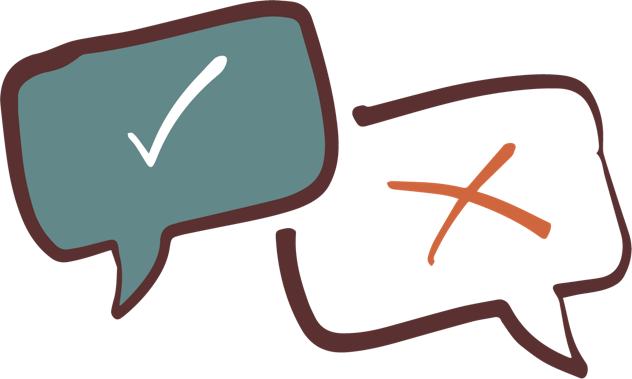
Busting Common Myths!
Let's talk about mental health and therapy.
Going to therapy or dealing with brain health challenges takes real courage. Here are some eye-opening truths that might surprise you:
Myth 1: Mental health issues are a sign of weakness.
They're more like having asthma or diabetes – they are real medical conditions involving your brain chemistry, Genes, and other life-related challenges. Just like you wouldn't blame someone for having allergies, mental health challenges are not anyone's choice or fault.
Myth 2: Therapy is only for people with severe mental illness.
People see therapists for many reasons – from dealing with stress at work to improving their relationships. It's about growing as a person and learning useful life skills.
Myth 3: Therapy is just talking about your feelings.
While sharing feelings is part of it, therapy teaches you practical tools to handle life's challenges. You'll learn specific techniques to manage stress, change unhelpful thought patterns, and build better relationships.
Myth 4: You'll feel better immediately after starting therapy.
Healing takes time! Just like you won't get six-pack abs after one workout, meaningful mental health changes happen gradually. Be patient with yourself – you're rewiring your brain, and that's pretty amazing.
Myth 5: If therapy hasn't worked for you, it never will.
Finding the right therapist is like finding the right pair of shoes – sometimes you need to try a few before finding the perfect fit. Different therapists use different approaches, and what works for one person might not work for another.
Myth 6: Medication is a replacement for therapy.
Medication and therapy often work best as a team. While medication can help balance brain chemistry, therapy gives you practical tools to handle life's challenges. Many people find using both leads to the best results.